 For many franchised dealerships, retail warranty reimbursement is viewed as an administrative annual event to check off their to-do list. Many are focused on making sure the job gets done once per year when someone inside the organization finally has enough time to address it. And, even when they’ve found a partner to offload the process to, the wrong vendor can end up taking excessive amounts of time to complete the project or simply complete the project on their own schedule. That mindset can potentially cost dealerships enormous amounts of money.
In today’s fixed operations environment, speed matters. Delays matter. Timing matters. And every month a dealership operates under outdated reimbursement rates represents real profit permanently left behind. The average dealership loses between $8,000 and $12,000 in gross profit for every month reimbursement improvements are delayed. Over the course of a year, that can translate into six figures of unrecoverable lost revenue.
And unlike certain opportunities, warranty reimbursement losses cannot be recaptured retroactively. Once that month (or year) is gone, so is the profit. That reality fundamentally changes how dealerships should think about reimbursement strategy. The conversation is no longer simply about optimizing rates. It is about optimizing rates quickly, accurately, and consistently. Because the longer a dealership waits, the more expensive the delay becomes.
The Industry’s Biggest Warranty Reimbursement Mistake
One of the most-costly mistakes most dealerships make is treating warranty reimbursement like a once-per-year exercise that can be completed any time. The logic sounds reasonable on the surface, given that many states only allow you to submit once per 12 months or because the effort takes too much time and resources to handle this timely. The weeks or months of preparation alone are enough to make an annual effort a chore. However, dealers should be targeting a submission on their anniversary date; every single year. Several states allow for more frequent submissions eligibility; such as once per calendar year or semi-annually. Knowing when to submit and how often to submit should be part of a broader overall strategy for each dealership’s profitability.
Unfortunately, manufacturers do not pause inflation, labor growth, technician wage increases, or parts pricing while dealerships wait. Every month a dealership operates using outdated reimbursement rates widens the gap between actual retail pricing, technician compensation, true operating costs and manufacturer reimbursement recovery. Meanwhile, dealership expenses continue rising.
Yet many dealerships continue accepting reimbursement structures based on outdated operational realities. The impact on dealers can be financial devastation – shrinking warranty margins and millions in cumulative lost profit across dealer groups nationwide.
Time is not neutral. A dangerous misconception within the industry is the idea that “waiting” carries little consequence. In reality, waiting has a measurable financial cost. If a dealership loses an estimated $8,000–$12,000 per month by operating under lower reimbursement rates, then factor out lengthier delays. And those estimates apply to average-volume dealerships. High-volume metropolitan stores can lose substantially more.
This is where reimbursement strategy becomes less about paperwork and more about planning and operational urgency. Dealerships would never intentionally delay increases in reimbursement, yet delays can quietly drain fixed operations profitability every single day.
The Hidden Cost of Vendor Delays
Many dealers focus on the potential increase in warranty labor rates and parts markups that a successful submission can deliver. However, an often-overlooked factor is the financial impact of waiting. Every week that a reimbursement submission is delayed represents lost revenue that can never be recovered.
Consider the math. The sooner the submission is approved, the sooner the dealership begins realizing those gains. Conversely, every week the dealer or their vendor delays gathering data, preparing documentation, submitting the package, or responding to manufacturer inquiries effectively postpones the start of those increased reimbursements.
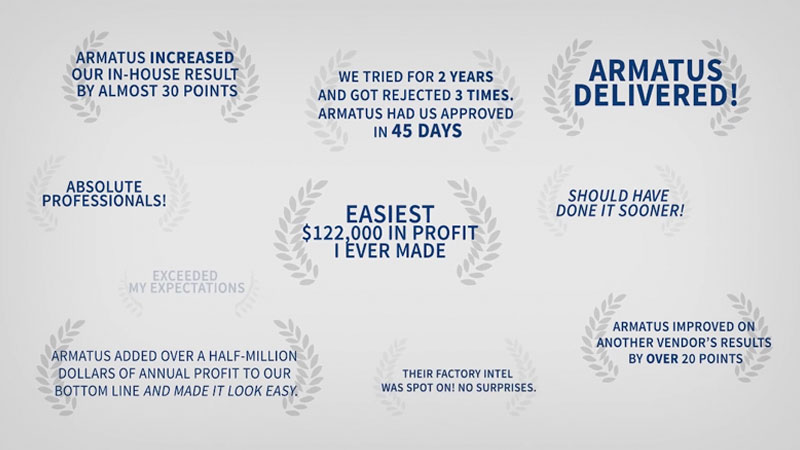
For many dealerships, that delay can translate into tens-of-thousands of dollars in unrealized revenue. A submission that takes an additional month to reach approval due to vendor inefficiency may cost a dealership more than the vendor’s entire fee. Unfortunately, that lost revenue is rarely visible on a financial statement, making it easy to underestimate the true cost of delays.
This is why selecting the right vendor partner is critical. Retail warranty reimbursement submissions are not simply administrative projects. They require specialized expertise, detailed knowledge of manufacturer and state requirements, accurate data analysis, and the ability to navigate any kind of manufacturer resistance. A vendor without extensive experience, inferior technology, or a lack of staffing to complete the work quickly and accurately may spend weeks learning procedures, correcting avoidable errors, or resubmitting incomplete documentation. Even if their work is penny perfect, if it took them longer than 30 days, they likely cost you money in time alone.
The result? Longer approval timelines and more lost revenue for the dealership.
Experienced providers understand that speed and accuracy must work together. Submitting quickly is important, but submitting correctly is essential. An inaccurate or incomplete submission can trigger manufacturer questions, requests for additional documentation, or outright rejection, creating even more delays.
Dealers should carefully evaluate a vendor’s track record before making a decision. Questions worth asking include:
- How many successful submissions has the provider completed?
- What is their average timeline from engagement to submission?
- What processes are in place to prevent errors and delays?
- How familiar are they with your state law and your manufacturer’s specific reimbursement requirements?
- Do they have a proven history of obtaining favorable results when the manufactuerer pushes back?
Like in all areas of business, the most valuable vendor is not likely the one with the lowest fee. Instead, it is the partner capable of delivering prompt, accurate submissions that move efficiently through the approval process. And if a vendor is telling you they are getting you the “best rate” ask them to show you how. Warranty reimbursement should be a transparent process, not a behind the scenes administrative task.
When evaluating reimbursement providers, dealers should remember a simple principle: the clock starts ticking the moment the decision is made to pursue reimbursement. Every week of unnecessary delay means another week of lower warranty reimbursements and another week of revenue left on the table.
“We Need Months of Coaching” Should Raise Questions
One of the more concerning trends in the reimbursement industry is the growing normalization of lengthy “coaching” periods before submission. Dealerships are oftentimes told they need weeks of preparation, extensive operational changes, large-scale pricing restructuring, long observation periods and months of coaching before submitting for an increase. This is often done under the guise of helping the dealership make more money on their warranty reimbursement, however, a 90+ day delay for “coaching” before starting a submission rarely pencils when you compare the profit lost in the delay alone. And, perhaps most importantly, any changes made to your pricing policy should always be permanent changes. Changing pricing temporarily for warranty reimbursement purposes risks creating a submission that does not accurately represent the dealership’s normal retail pricing structure.
Without a doubt, proper preparation and good fixed operations coaching does offer long-term rewards. But engaging in months of coaching prior to a submission when you are eligible for an increase now is usually a recipe to lose money, not gain it.
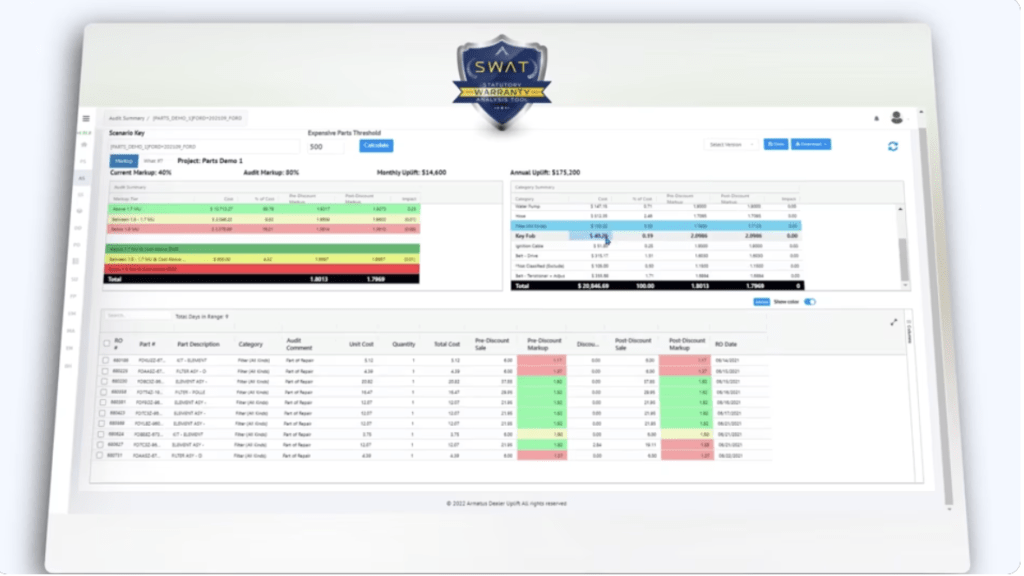
Access to skilled fixed operations coaching can be difficult for dealers to find. For vendor providers, those skillsets and experience are more accessible, as is the case at Armatus. In fact, the company offers solutions like SWAT (Statutory Warranty Analysis Tool) and FOPC (Fixed Ops Performance Center) to support dealers who need support before and after the submission process. The 365-degree coaching and assessments come with fixed ops professionals who can assist dealer staff in deploying processes that translate into increased revenue, but also are supported by proprietary platforms that can analyze the thousands of data points that impact customer-pay profitability.
When in comes to submitting for warranty reimbursement, accuracy matters enormously. But prolonged delays often create an unintended consequence: they normalize lost profit year over year.
Speed Without Accuracy Is Dangerous
Of course, speed alone is not enough.
Rushed, incomplete, or poorly constructed submissions can create rejections, reduced increases, delays in approval, compliance concerns, and lower long-term outcomes. This is where dealerships often struggle to balance competing priorities – moving quickly, maximizing reimbursement, ensuring accuracy, and minimizing operational disruption. Those conditions have led to an increase in vendors. But selecting the right vendor is the challenge.
That distinction matters because reimbursement submissions are highly technical processes involving labor rate calculations, parts markup analysis, repair order eligibility, statistical sampling, OEM-specific requirements, state statute interpretation, and documentation standards.
Dealerships cannot afford careless submissions. But they also cannot afford endless delays disguised as preparation. The best reimbursement partner understands how to move quickly without sacrificing submission quality.
Failed Results Require Immediate Action
Another costly dealership mistake is tolerating disappointing reimbursement outcomes for too long. Sometimes dealerships receive minimal increases, weak labor rate improvements, poor, or no, parts increase, and results that fail to match operational realities. When results are not where you expect them to be, speed becomes even more critical. Too often, dealerships wait another year before revisiting the issue. That delay compounds the original problem.
If reimbursement remains below market realities, conditions that led to these failed results go unchanged. Warranty margins remain compressed and technician compensation pressures continue growing. Waiting simply accelerates financial loss.
Strong operators move quickly to reassess everything from pricing structure to vendor selection. The dealerships that recover fastest are usually the ones willing to act decisively to find a partner with the success and experience to take corrective action.
The Dealers Winning Today Move Faster
The most successful dealership groups increasingly approach reimbursement differently than they did a decade ago. They no longer view reimbursement as a passive annual event. Instead, they treat reimbursement as an active profitability strategy that requires mastery, strategy and outstanding vendor partners who can help them navigate the submission preparation, submission process, and the post-submission assessment.
Because in warranty reimbursement, timing is profitability. The dealerships that have the right vendor partner at their side will reduce costly delays, realize benefits sooner, optimize reimbursement through proper preparation and processes, and deliver support for increased warranty reimbursement throughout the year. Those dealerships that do so gain a meaningful fixed operations advantage over competitors still operating under outdated reimbursement assumptions.
And in an industry where every dollar matters, speed may ultimately become one of the most important profit drivers of all.

Author Bio: Jordan Jankowski is the Chief Operating Officer at Armatus Dealer Uplift. He has played a key role in consulting on 25 warranty reimbursement laws across the country and is widely considered a subject matter expert in this highly technical arena. Jordan manages a team of over 70 people, who produces thousands of retail warranty reimbursement submissions each year.